- Home
- Types of Verbs
- Prepositional Verbs
How to Use Prepositional Verbs
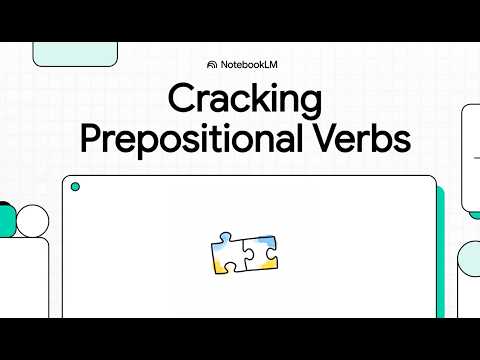
This video lesson explores how to use prepositional verbs, explaining how they function and how they differ from phrasal verbs.
Prepositional Verbs Video
You might like these
Video: Modal Verbs of Ability
In this video modal verbs of ability are fully explained, covering can, can't, could, couldn't, should, shouldn't and be able to.
Stative Verbs: For Opinions, Feelings, and Emotions
Stative verbs are used to reflect states of mind such as opinions, feelings, sense perceptions, and emotions. They are not usually used in the continuous tense.
Transitive and Intransitive Verbs: The Differences
Transitive and intransitive verbs are different in transitive verbs must have a direct object, whereas intransitive verbs do not. In this grammar lesson we will look at the differences between them and study some examples.


New! Comments
Any questions or comments about the grammar discussed on this page?
Post your comment here.

| site search by freefind | advanced |
Subscribe to Grammar Wiz:
Grammar eBook
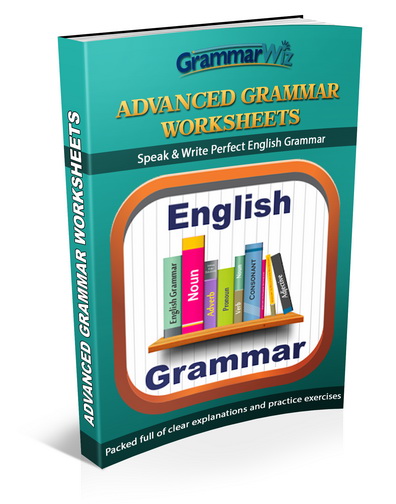

This is an affiliate link
Recent Articles


-
How to Use Prepositional Verbs: Simple Video Lesson
Feb 21, 26 06:24 AM
Learn how to use prepositional verbs and how they differ from phrasal verbs in this clear, concise video lesson for English learners. -
Immigrate versus Emigrate Quiz
Feb 08, 26 08:14 AM
This Immigrate versus Emigrate Quiz will help you understand the difference between entering and leaving a country through clear, real-life sentences. -
Countable versus Uncountable Nouns: Learn the Differences
Jan 25, 26 07:14 AM
Learn the difference between countable versus uncountable nouns in English with clear examples and tips. Perfect for learners who want to improve grammar and avoid common mistakes.
Important Pages


Search Site
| site search by freefind | advanced |
Copyright © www.grammarwiz.com All rights reserved